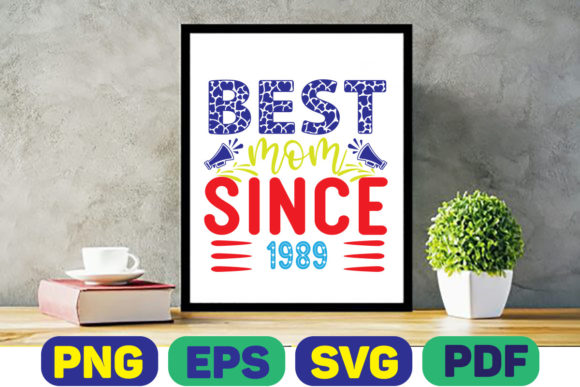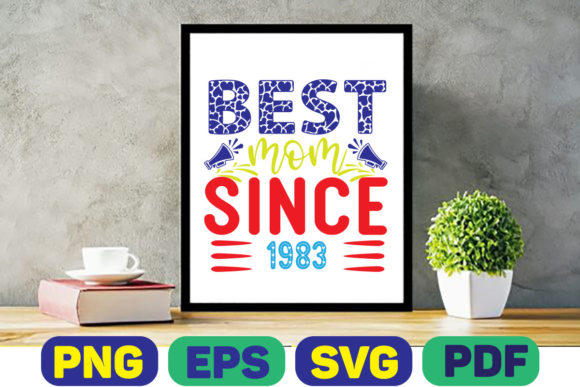
Reviewing Best Mom Since 1983 for Real Embroidery Projects
As a designer who spends half my life staring at stitch simulations and the other half watching needles punch through fabric, I have learned to look past the flashy thumbnails. When I first pulled up the Best Mom Since 1983 design, my initial reaction was not just about the aesthetic appeal, but about its viability in a real-world production environment. This is not merely a digital asset; it is a potential centerpiece for a handmade product that needs to withstand washing, wearing, and the critical eye of a gift recipient.
The visual personality of this piece leans into nostalgia without feeling dated. For those of us in the Crafts sector, specifically those dealing with personalized gifts, finding a balance between retro charm and modern stitching clarity is essential. The layout suggests a bold statement piece, likely intended for chest placements on apparel or central positioning on home goods. But does it hold up under the microscope of actual machine execution? Let’s break it down from the perspective of someone who has to deliver a flawless finished product.
The First Impression: Mood and Market Fit
The phrase "Best Mom Since 1983" immediately targets a specific demographic: adult children looking for meaningful, slightly humorous, or deeply sentimental gifts for their mothers. In the context of an Etsy seller or a small shop product owner, this specificity is gold. It moves beyond generic "Mom" labels and creates a narrative. The design feels warm and established. It does not scream for attention with chaotic elements; rather, it relies on strong typography and balanced composition.
When evaluating this as a Graphics resource for embroidery, I look for clean lines. Complex gradients in digital files often translate poorly to thread. This design appears to prioritize shape and form, which is crucial for maintaining legibility. Whether you are creating a tote bag design for a farmer’s market or a high-end sweatshirt embroidery piece for a boutique, the clarity of the message is paramount. The mood is celebratory yet grounded, making it versatile for birthdays, Mother’s Day, or even as a subtle nod in everyday custom apparel.
Real-World Application and Fabric Behavior
I recently considered this design for a custom order involving a heavy-weight cotton tote. The scenario was simple: a daughter wanted a durable, stylish bag for her mother’s birthday. Here is where practical design judgment comes into play. A design like Best Mom Since 1983 must be evaluated for how it interacts with fabric texture. On a smooth cotton canvas, the stitches will lay flat and crisp. However, if you attempt this on a textured linen or a fuzzy fleece, you risk losing the finer details of the lettering.
For baby embroidery or delicate items, caution is advised. If the design includes dense fill areas, it can cause puckering on thin fabrics unless properly stabilized. I always recommend testing the embroidery file on scrap fabric that matches your final material. This is non-negotiable for professional results. If you are working with stretchy materials like jersey knits for t-shirts, the stability of the design becomes even more critical. You need to ensure that the stitch density does not distort the garment over time.
Navigating Technical Challenges
Let’s talk about the mechanics. While the provider describes this as a T-Shirt Design Store offering SVGs, embroidery requires specific conversion or native files. If you are using this as a basis for a machine embroidery design, you must verify the stitch types. Are the letters using satin stitch for a shiny, raised look, or fill stitch for a matte, textured appearance? Satin stitches are beautiful but can snag if they are too wide. Fill stitches are durable but can feel stiff if the density is too high.
Consider the hoop size constraints. If this design is large, it may require a multi-hoop setup or a large frame, which limits the types of garments you can use. Curved surfaces like caps are particularly tricky. Placing a wide, horizontal design on a cap requires careful digitizing to account for the curve, otherwise, the text will appear bowed or distorted when viewed from the front. Always check if the design is optimized for the specific item you are producing.
Enhancing Visual Appeal and Brand Value
From a business standpoint, the quality of your design assets directly impacts customer trust. A sloppy embroidery job with loose threads or poor registration can damage your reputation as a craft business owner. Best Mom Since 1983, when executed correctly, elevates the perceived value of the item. It transforms a basic sweatshirt into a heirloom-quality personalized gift.
Color choice plays a massive role here. Do not default to black thread on white fabric unless necessary. Experiment with thread colors that complement the base material. A navy blue thread on a heather grey sweatshirt offers a sophisticated, understated look. Conversely, bright metallic threads might suit a holiday-themed project but could clash with the nostalgic tone of the design. Use printable mockup tools to visualize these combinations before you commit to stitching.
Practical Notes for the Serious Maker
Before you list this as a commercial embroidery item or sell it as part of a bundle, there are several steps you must take. First, confirm the licensing. The description mentions buying digital files for yourself, friends, and family, but commercial use terms can vary. Ensure you have the right to sell finished items made with this design. Second, inspect the small details. Zoom in on the curves of the numbers and the serifs of the letters. Are there unnecessary jump stitches? Is the underlay sufficient to prevent fabric show-through?
- Test on Scrap: Always run a test stitch-out on the exact fabric and stabilizer combination you plan to use.
- Check Contrast: Ensure the thread color stands out against the fabric background for maximum readability.
- Stabilizer Selection: Use cut-away stabilizer for stretchy fabrics and tear-away for stable wovens to maintain shape.
- Wash Testing: Wash the finished sample to check for shrinkage or thread bleeding.
In conclusion, Best Mom Since 1983 is a strong contender for your next embroidery project. It offers emotional resonance and visual clarity, provided you respect the technical requirements of the medium. Whether you are creating an embroidered patch for a jacket or a centerpiece for a kitchen towel, treat the design with the care it deserves. Pay attention to the running stitch outlines, manage your tension, and choose your materials wisely. When done right, this design does not just decorate a product; it tells a story that lasts.